Common rubbish disposal mistakes for Knightsbridge landlords
Posted on 23/06/2026

Rubbish management sounds simple until you're the person legally and practically responsible for it. For Knightsbridge landlords, small disposal errors can turn into complaints, extra costs, awkward void periods, and in the worst cases, compliance problems that are far more annoying than the original mess. Common rubbish disposal mistakes for Knightsbridge landlords usually happen at the handover stage: a tenant moves out, builders leave debris behind, a bulky item gets parked in the wrong place, and suddenly the building manager is asking questions.
This guide breaks down the mistakes that tend to catch landlords out, why they matter in a high-value London rental market, and how to put a cleaner, calmer system in place. If you manage one flat or a small portfolio, you'll find practical steps you can use straight away. No fluff. Just the stuff that saves time, money, and a bit of your sanity.
Why Common rubbish disposal mistakes for Knightsbridge landlords Matters
In Knightsbridge, presentation matters more than most places. A tidy hallway, a clear bin store, and a clean exit from a tenancy all feed into the same thing: trust. When waste is left outside too long, mixed incorrectly, or removed by the wrong people, the problem is not just aesthetic. It can create friction with neighbours, concierges, freeholders, managing agents, and tenants who expect a smoother experience.
Landlords also need to think commercially. A missed collection can delay turnarounds between tenancies. A pile of discarded furniture in a narrow service route can upset building rules. And if you're dealing with a refurbishment or a deep clean after a long tenancy, rubbish can balloon quickly. One old mattress becomes three black bags, then a broken wardrobe, then a full van-load before you've had your first coffee. It happens.
To be fair, many mistakes are not caused by carelessness. They happen because landlords are busy, trades are moving quickly, and different people are making disposal decisions without a shared process. That is exactly why a clear waste plan pays off.
Expert summary: the biggest rubbish mistakes are rarely about the rubbish itself. They're about timing, responsibility, and choosing the wrong disposal route for the item. Get those three things right and most problems simply don't happen.
How Common rubbish disposal mistakes for Knightsbridge landlords Works
For a landlord, rubbish disposal is usually a chain of decisions rather than a single task. The chain often looks like this: a tenant leaves items behind, someone identifies what needs removing, a collection method is chosen, waste is moved through the building, and the final disposal is completed. If any part of that chain is weak, the whole thing can unravel.
Here's the typical pattern behind the most common errors:
- No clear responsibility: landlord, tenant, cleaner, porter, and contractor all assume someone else is handling it.
- Wrong waste stream: general rubbish, bulky waste, recyclable items, and building waste are thrown together.
- Poor timing: items are left in shared areas for too long, which creates complaints or access issues.
- Unverified contractor: disposal is arranged through someone who cannot demonstrate lawful, traceable collection.
- Bad estimating: the job is under-scoped, so a "quick clear" turns into a second visit. Nobody enjoys that.
The practical side is simple: items must be sorted, moved safely, and taken away by an appropriate service. In many Knightsbridge buildings, that also means working around concierge rules, lift access, loading restrictions, and neighbours who do not want the hallway looking like a film set after a messy wrap party.
If you need a fuller overview of the kinds of collection and clearance support available, it can help to review the services overview alongside your own property management process. That makes it easier to match the waste type to the right approach.
Key Benefits and Practical Advantages
Getting rubbish disposal right is not glamorous, but the benefits are very real. A good system protects the asset, reduces headaches, and makes the property easier to manage across the year. In a premium area like Knightsbridge, that matters more than ever because expectations are high and mistakes are noticed quickly.
- Faster tenant changeovers: fewer delays between check-out, cleaning, and re-marketing.
- Better building relationships: cleaners, porters, concierges, and neighbours are less likely to complain.
- Reduced surprise costs: you avoid emergency call-outs and repeated collections.
- Improved compliance confidence: you can show you've used a traceable disposal route.
- Cleaner property presentation: a tidy exterior and internal shared space supports rentability.
- Less admin stress: one process is easier than five ad hoc decisions. Simple, really.
There's also a reputation benefit. Landlords who manage waste well tend to look more organised to agents, tenants, and building managers. It sounds small, but small signals count. A building that feels cared for often rents better, and easier maintenance tends to snowball into better occupancy. Not always, but often enough to matter.
If cost control is high on your list, it's also worth looking at how to avoid hidden rubbish removal charges in Knightsbridge. Knowing what drives pricing helps you plan collections properly instead of reacting at the last minute.
Who This Is For and When It Makes Sense
This topic is most useful for landlords, of course, but the day-to-day reality is a bit broader. In practice, rubbish disposal mistakes often involve letting agents, block managers, build teams, cleaners, and even tenants who are trying to be helpful and accidentally create more work.
This guide makes the most sense if you are any of the following:
- a private landlord with one or more Knightsbridge flats
- a portfolio landlord who needs a repeatable waste process
- a landlord doing a refurbishment between tenancies
- a property investor preparing a flat for viewing or sale
- a managing agent handling waste for an owner who expects things to just work
It also makes sense when a property is under pressure: end-of-tenancy clear-outs, post-builder debris, student-style accumulation of things that no one claims, or those awkward moments where a tenant leaves behind furniture "for someone to sort out." You know the sort. It's never just one bag.
For people buying or investing in local property, understanding waste management is oddly useful. If you're still in acquisition mode, you may find the local market context in this Knightsbridge real estate guide helpful, especially if you're comparing long-term management costs.
Step-by-Step Guidance
A solid rubbish process does not need to be complicated. It just needs to be clear, repeatable, and visible to everyone involved. Here's a practical way to handle it.
- Identify the waste type. Separate general rubbish, bulky items, appliances, furniture, garden waste, and builder's debris. Do not treat them all the same.
- Check the building rules. Many Knightsbridge buildings have specific times, routes, or storage rules for collections. Ignoring them causes avoidable friction.
- Inspect the space. Look at access, stair width, lift size, loading restrictions, and whether items need carrying through communal areas.
- Estimate the load honestly. One neglected corner can hide a lot. A quick visual estimate is often too optimistic. We've all done it.
- Choose the right disposal method. Domestic collection, bulky item removal, furniture disposal, or builder's waste handling all serve different needs.
- Book in advance where possible. Same-day removal is useful, but planned collections usually reduce stress and cost.
- Keep evidence of collection. In a landlord file, note date, contractor, and what was removed. Simple records save hassle later.
- Close the loop. Once the waste is gone, check that the area is actually clean and that no smaller items were left behind.
A good practical habit is to make waste removal part of your move-out checklist, not an afterthought. If furniture, white goods, or household clutter are likely to be left behind, plan a clearance visit as part of the tenancy exit process. That one step can save a surprising amount of back-and-forth.
For larger clearances, you may also want to review house clearance in Knightsbridge and furniture removal in Knightsbridge so your process matches the type of items being left.
Expert Tips for Better Results
Here's where the difference between "managed" and "well managed" starts to show. A few small habits can dramatically reduce waste problems.
- Standardise your move-out instructions. Give tenants a plain-English checklist before departure so they know what must go.
- Use photos. Before-and-after images are useful when there is a dispute about abandoned items.
- Separate item types early. A broken chair, an old fridge, and construction rubble should not be waiting in the same corner.
- Build in a buffer. If you expect a one-load collection, plan as though it might become one-and-a-half loads.
- Protect common areas. Cardboard corners, lift covers, and quick sweeps are tiny details that prevent complaints.
- Ask about access before booking. The best service in the world is less useful if the van cannot park or the item cannot pass through the stairwell.
One of the most overlooked tips is to create a "special items" note for each property. If a flat commonly generates white goods, old furniture, or refurbishment debris, keep a running note so future collections are scoped more accurately. That sounds almost too simple, but it works.
And yes, time of day matters too. A collection at 7am on a busy weekday feels very different from a quiet slot when the building is calmer. Little thing, big difference.
If you are dealing with appliances specifically, the page on white goods and appliance disposal in Knightsbridge is worth using as a reference point.
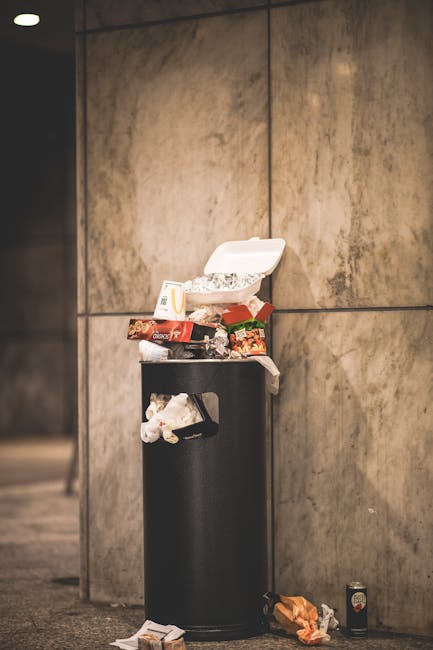
Common Mistakes to Avoid
This is the part that matters most. The mistakes below are the ones that repeatedly cost landlords time, money, or goodwill.
1. Leaving waste responsibilities unclear
If you do not specify who is responsible at check-out, waste often lingers. A tenant assumes the cleaner will deal with it. The cleaner assumes the landlord has booked removal. The landlord assumes the agent is handling it. And there you are, staring at a hallway full of bags.
2. Using the wrong disposal route for bulky items
Bulky furniture, mattresses, and broken appliances are not the same as bagged household rubbish. Treating them as general waste can lead to delays, access problems, or extra charges. For Knightsbridge flats, that can become a real headache because shared entrances are often tightly managed.
3. Underestimating the volume
Landlords often guess too low, especially when a property has been occupied for a long time. The visible waste is only part of it; cupboards, balconies, loft spaces, and storage rooms often hide the real amount. Underestimating usually means a second visit.
4. Delaying collections after tenancy end
Waiting "until later this week" can backfire. Waste sits in the wrong place, the property looks neglected, and in some buildings it can trigger complaints. Fast turnaround matters, especially when viewings are already booked.
5. Ignoring building access rules
Some buildings have strict collection windows or require prior notice for contractors. If a collection arrives unannounced, it may be turned away. That's frustrating, and the driver is not the one who ends up fielding the complaint.
6. Not checking contractor credentials
Landlords should be careful about who takes waste away. Using an unverified collector can leave you with awkward questions if waste is dumped illegally. A legitimate service should be transparent about how it operates. It's just safer.
7. Mixing refurbishment waste with domestic rubbish
Builder's waste, plasterboard, tiles, timber, and packaging all need handling properly. If you are doing work between tenancies, do not let trades leave mixed piles behind. The easiest fix is a clear staging area and a simple instruction at the start of the job.
8. Forgetting about tenant-sensitive items
Documents, electronics, medication, and personal belongings should be handled carefully. If something looks private, pause before binning it. A quick check avoids complaints and protects goodwill. No one wants an awkward email about someone's post.
Tools, Resources and Recommendations
You do not need a huge toolkit to manage waste well, but a few practical tools can make the process much smoother.
- A standard move-out checklist: include rubbish, bulky items, white goods, and storage areas.
- Photo documentation: useful for handovers, disputes, and contractor briefings.
- Property-specific notes: keep access details, collection windows, and building rules in one place.
- A simple inventory of recurring waste types: if one property often produces mattresses or broken desks, plan accordingly.
- Payment and booking records: help you track what was done and when.
For landlords who want a better pricing picture before booking a service, pricing and quotes is a sensible place to compare how different jobs may be approached. If you care about safer working practices during collection, the page on insurance and safety is also useful reading.
And if sustainability matters to your tenants or your own portfolio standards, it's worth seeing how a provider approaches recycling and sustainability. A lot of waste can be handled more responsibly than people assume.
If you are dealing with a full property clear-out, not just a few leftover bags, services like house clearance and loft clearance can be a better fit than piecemeal collections.
Law, Compliance, Standards and Best Practice
Landlords do not need to become waste law specialists, but they do need to manage disposal in a way that is sensible, traceable, and consistent with accepted UK practice. The safest approach is to assume that if waste leaves your property, you should know who took it, when it went, and what sort of waste it was.
Best practice usually means:
- using a properly identified waste collector
- keeping basic records of disposal
- separating waste streams where practical
- avoiding fly-tipping risk by using trusted collection routes
- making sure workers and contractors handle items safely in shared spaces
It also means being careful with special items. Refrigeration units, electronic equipment, heavy furniture, and building debris can each need different handling. If you're unsure, do not guess. That's the honest answer, and it saves trouble later.
Many landlords also benefit from reviewing the provider's waste carrier licence and compliance information before booking. That is a sensible due-diligence step, especially if the waste is being removed on your behalf rather than by your own team.
For landlords with more commercial-style obligations, commercial waste removal in Knightsbridge may be the more relevant route if the property or ancillary space is being used in that way.
Options, Methods, or Comparison Table
Different waste situations call for different disposal methods. Choosing the right one can save money and reduce disruption.
| Method | Best for | Strengths | Watch-outs |
|---|---|---|---|
| Bagged rubbish collection | Small tenancy leftovers, general household waste | Quick, simple, usually low-disruption | Can become inefficient if volumes are underestimated |
| Bulky item removal | Mattresses, sofas, wardrobes, large chairs | Suitable for awkward or heavy items | Needs access planning and clear item descriptions |
| House clearance | Full voids, abandoned contents, major turnover jobs | Efficient for large clear-outs | Must be scoped carefully to avoid missed rooms or storage areas |
| Builder's waste disposal | Refurbishment debris, packaging, timber, rubble | Better suited to renovation work | Mixed loads need clearer planning than ordinary household waste |
| Appliance disposal | Fridges, freezers, washing machines, ovens | Appropriate for heavy, specialist items | Access and safe handling matter a lot |
In practical terms, the method should follow the waste, not the other way around. A lot of landlords start with the cheapest-looking option and end up paying more because it was the wrong fit. Not ideal, obviously.
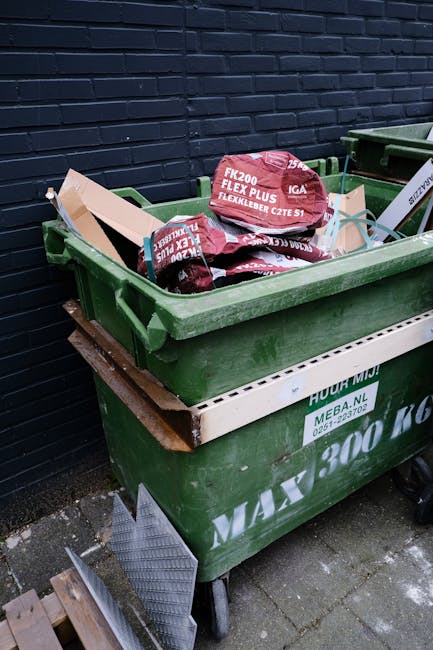
Case Study or Real-World Example
Imagine a Knightsbridge one-bedroom flat at the end of a tenancy. The tenant has moved out, but there are two bags of mixed rubbish, a broken dining chair, an old television, a mattress, and packaging from a recently installed appliance. Nothing outrageous. Just enough to become a nuisance.
The landlord's first instinct is to ask the cleaner to "just pop it all out." That works for the bags, but not for the mattress or the TV. The cleaner is not booked for bulky items, the service lift needs notice, and the building manager does not want waste left in the corridor overnight. Suddenly what looked like a 20-minute job becomes a half-day delay.
Now compare that with a better approach. The landlord logs the items in advance, checks access rules, and arranges a suitable collection that can handle mixed waste and bulky items in one visit. The hallway stays tidy, the flat is ready for deep clean sooner, and the marketing photos can happen on schedule. That is the real gain: less friction, fewer surprises, better timing.
We see this kind of thing especially after refurbishments too. A property can look nearly finished, then the final sweep reveals three extra sacks, cut-offs of carpet, and a white good that someone forgot to mention. A quick, realistic assessment early on avoids the familiar "oh no, there's still more" moment.
Practical Checklist
Use this checklist before and after any landlord rubbish disposal job.
- Confirm who is responsible for disposal.
- List every item that needs removing.
- Separate domestic waste from bulky items and builder's waste.
- Check building access, lift rules, and collection timing.
- Ask whether the contractor can handle the actual waste type.
- Keep notes or photos before items are moved.
- Make sure the collection route is safe for communal areas.
- Record the date and basic details of the disposal.
- Inspect the property afterwards for small leftovers.
- Update your landlord move-out process based on what went wrong, if anything did.
If you are trying to keep operations lean, it also helps to think about the kind of collection you need in advance. For instance, if you expect urgent turnover work, the page on same-day rubbish collection near Harrods gives a useful sense of how fast turnaround jobs are usually framed. If the issue is a bigger pile of awkward items, bulky waste pickup in SW1X may be more relevant.
Get a free quote today and see how much you can save.
Conclusion
Common rubbish disposal mistakes for Knightsbridge landlords are usually preventable. They happen when waste is treated as an afterthought rather than part of property management. The good news is that a few simple habits - clearer instructions, better scoping, proper item separation, and more careful contractor selection - go a long way.
In a market where presentation, speed, and reliability carry real weight, getting waste disposal right is one of those quiet wins that pays off again and again. Less stress, cleaner handovers, fewer complaints. Frankly, that's a solid return for something so ordinary.
And if you're ever in doubt, take the slower, more organised route. It tends to age better. The flat feels better, the building feels calmer, and you do too.


 Tipper Van - Rubbish Clearance and Rubbish Removal Prices in Knightsbridge, SW1
 Luton Van - Rubbish Clearance and Rubbish Removal Prices in Knightsbridge, SW1