Rubbish clearance Sloane Street Knightsbridge for flats
Posted on 23/05/2026
If you live in a flat near Sloane Street, you'll know that rubbish clearance is rarely as simple as putting a bag outside and hoping for the best. Tight stairwells, concierge rules, limited loading space, and awkward lift access can turn a quick tidy-up into a proper headache. That is exactly why rubbish clearance Sloane Street Knightsbridge for flats needs a more considered approach than a standard household collection.
Whether you are clearing out after a move, replacing bulky furniture, dealing with renovation debris, or just getting on top of day-to-day clutter, the right service should be efficient, discreet, and respectful of the building. In a neighbourhood like Knightsbridge, that matters. The pace is busy, the properties are high-value, and the margin for disruption is small. Lets face it, nobody wants a hall full of old chairs waiting for "later".
This guide walks through what flat clearance actually involves, how to plan it, common mistakes to avoid, and what good service looks like in practice. You'll also find practical tips for compliance, building access, and choosing the most sensible method for your situation.
Why Rubbish clearance Sloane Street Knightsbridge for flats Matters
Flat clearance in this part of London is about more than removing waste. It affects neighbour relations, building access, safety, and sometimes the timeline of a move or refurbishment. In a mansion block, a modern apartment building, or a converted period property, rubbish can block corridors, damage communal areas, and create friction with residents or staff if it is not removed properly.
There is also the practical side. Knightsbridge flats often have limited storage, so unwanted items build up fast. One old wardrobe becomes two, then a sofa, then a pile of packaging from a new delivery. If the clutter spreads, it can interfere with cleaning, maintenance, or even access to service cupboards and fire exits. That is not a small issue.
For many residents, the real value of professional clearance is peace of mind. You are not trying to lift a heavy mattress down four flights of stairs at 8 p.m. You are not calling in favours from a friend with a van who may or may not arrive. You are getting the job handled properly, with less strain and fewer surprises.
If you are comparing local options, it helps to understand the wider service landscape first. The site's services overview is a useful starting point, and the main waste clearance in Knightsbridge page gives a broader picture of what can be removed.
How Rubbish clearance Sloane Street Knightsbridge for flats Works
The process is usually straightforward, but good planning makes a noticeable difference. For flats, the service normally starts with a quick assessment of the amount and type of waste, plus any access issues. A reliable team will want to know whether there is lift access, whether parking is restricted, and if there are items that need special handling.
From there, a collection window is arranged. In busy areas, timing matters. Early mornings can work well before the day builds up. Late afternoon can be fine too, though building rules and traffic conditions sometimes dictate the best slot. If there is a concierge or porter involved, they should be told in advance. It sounds obvious, but a missed access note can derail the whole thing.
On arrival, the team should protect communal areas where needed, move items carefully, and separate recyclable material from general waste where possible. Bulky furniture, white goods, and mixed household rubbish are often loaded together, but the disposal route may differ depending on what is included. That is why clear communication before collection helps everyone.
For example, a flat clearing out after a tenancy end may need furniture removal, appliance disposal, and bagged waste collection in one visit. In other cases, a resident may only need a few awkward pieces taken away. Either way, the principle is the same: remove the waste efficiently, leave the space tidy, and avoid unnecessary disruption.
For furniture-heavy clearances, these related pages may be useful: furniture removal in Knightsbridge, furniture disposal, and white goods and appliance disposal.
Key Benefits and Practical Advantages
The obvious benefit is that your flat is cleared quickly. But there are several practical advantages that are easy to overlook until you need them.
- Less disruption: A planned collection is usually much less disruptive than trying to manage disposal in stages.
- Better use of space: Clearing bulky items can instantly make a flat feel larger and easier to maintain.
- Safer access: Removing clutter reduces trip hazards and keeps hallways, entrances, and balconies easier to use.
- Building-friendly approach: A professional team understands how to work in shared buildings without causing a fuss.
- More suitable for busy lifestyles: If you work long hours, travel often, or manage a property remotely, you do not need another job on your list.
There is another quiet benefit too: clarity. Once the unwanted items are gone, you can actually see what needs doing next. Painting, staging, deep cleaning, repairs, new furniture selection - all of it becomes easier when the room is not half full of old stuff.
For landlords, letting agents, and property owners, that can make a real difference. A cleared flat photographs better, turns over faster, and is easier to inspect. For homeowners, it is often the first step toward a calmer, more workable space. A small thing, perhaps. But not really small at all.
Who This Is For and When It Makes Sense
This service is useful for a wide range of people, not just those in a full-scale move. In Knightsbridge, the mix of residents and property types means requests can be very different from one flat to the next.
It makes sense if you are:
- moving into or out of a flat and need a clean handover
- clearing inherited belongings or dealing with a probate situation
- refreshing a rental property between tenancies
- replacing old furniture or broken appliances
- preparing a flat for sale or refurbishment
- managing waste after minor building work or decorating
- simply trying to reclaim storage space that has disappeared over time
If you are a resident, it may be as simple as a sofa, a mattress, and a couple of bags. If you are a landlord or managing agent, the job can be more involved and may include several rooms' worth of mixed rubbish. The same local service should be able to adapt, provided the request is clear from the start.
For those living locally, this broader guide to living in Knightsbridge from a local perspective gives some useful context about the area and its day-to-day rhythm.
Step-by-Step Guidance
Here is a practical way to organise rubbish clearance in a flat without overcomplicating it.
- Sort what is going. Separate obvious keepers from waste. Be honest here. That cracked chair you might repair someday? If it has been waiting two years, it probably knows its fate.
- Identify item types. Make a note of furniture, electrical items, bagged waste, and anything fragile or heavy.
- Check access details. Confirm lift size, stair access, parking restrictions, concierge rules, and any time limitations.
- Ask for a clear quote. A good quote should reflect the quantity, item type, and access conditions, not just a vague guess.
- Prepare the flat. Move smaller personal items aside so the crew can work efficiently.
- Keep communication open. If plans change, say so early. A five-minute call can prevent a missed collection.
- Inspect after removal. Check corners, cupboards, and balconies so nothing important gets left behind.
A small but useful point: if the flat is in a managed building, let the building team know about the collection window. That can avoid awkward moments at the entrance or a blocked service lift. Little details, big difference.
Expert Tips for Better Results
After enough clearances, certain patterns become obvious. The best jobs are nearly always the ones that were prepared just enough. Not overdone. Just enough.
- Photograph the waste before booking. This helps when describing the job and reduces quoting errors.
- Disassemble only if it is easy. Taking apart furniture can help in tight stairwells, but do not spend an hour fighting screws if the team can handle it safely.
- Separate recyclable material. Cardboard, metals, and some electrical items may be routed differently.
- Plan around lift access. A ten-minute lift delay can matter more than you think in a busy block.
- Choose a service used to central London buildings. That kind of experience matters in practice.
One thing people often underestimate is noise. Trolleys on hard floors, furniture scraping, doors opening and closing - it all travels in a flat block. A considerate crew keeps this to a minimum. You can usually tell within the first few minutes whether you are dealing with a careful team or a rushed one.
If sustainability matters to you, it is worth reading about the company's recycling and sustainability approach. It gives reassurance that items are handled with more thought than a simple "load and dump" model.
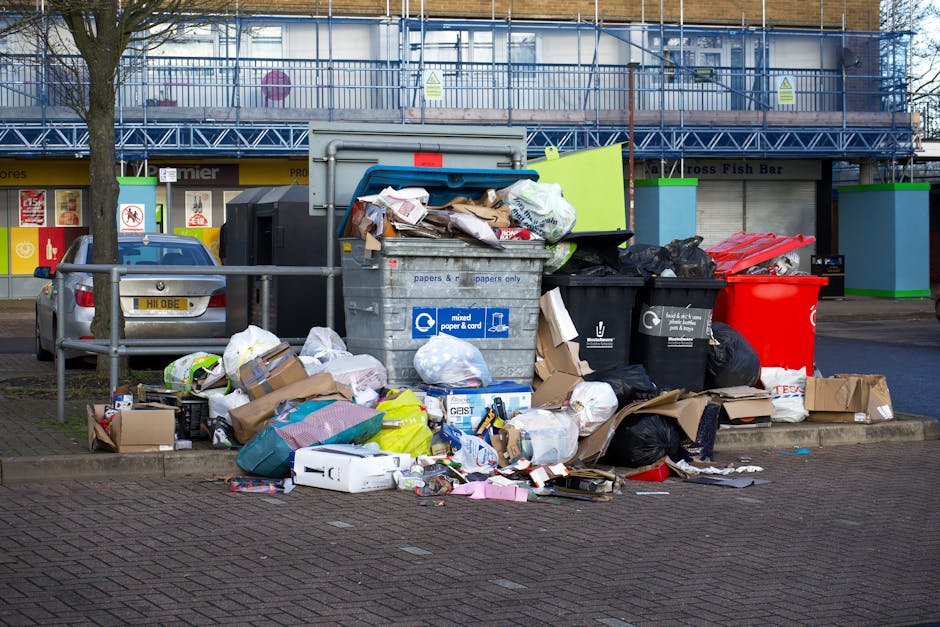
Common Mistakes to Avoid
Most clearance problems come from poor planning, not from the removal itself. A few simple mistakes can create unnecessary stress.
- Leaving the booking too late: If you need access to a lift, a parking bay, or a specific time slot, last-minute arrangements can be messy.
- Underestimating volume: Flat clearances often look smaller than they are. Bags, boxes, and dismantled furniture fill a vehicle quickly.
- Forgetting building rules: Some buildings have strict requirements for collections and communal area use.
- Mixing special items with general waste: White goods, electricals, and certain materials may need separate handling.
- Not asking about disposal method: Trustworthy clearance should involve proper routing, not mystery dumping. Nobody wants that sort of surprise.
There is also the classic mistake of assuming every provider is the same. They are not. Some are very good with flats and access-controlled buildings. Others are better suited to open-driveway jobs. In a place like Sloane Street, that distinction matters more than most people expect.
Tools, Resources and Recommendations
You do not need much to prepare for a flat clearance, but the right information helps.
| Resource or Tool | Why It Helps | Best For |
|---|---|---|
| Phone camera | Quickly shows the volume and type of waste | Quotes and booking checks |
| Flat layout notes | Helps identify stairs, lifts, and narrow routes | Access planning |
| Building concierge contact | Speeds up coordination and avoids delays | Managed apartments |
| Room-by-room checklist | Prevents overlooked items in cupboards, storage, and balconies | Move-outs and deep clearances |
| Service overview page | Shows what types of clearance are available | Choosing the right service |
For broader property-related context, the area guides on Knightsbridge's style and character and Knightsbridge real estate investment can be useful if you are managing a sale, refurbishment, or rental turnover. They may not be about rubbish, directly, but they help explain why presentation and timing are taken so seriously in this area.
And if you are handling a property project more broadly, you may also want to look at acquiring Knightsbridge properties for a sense of the local ownership landscape.
Law, Compliance, Standards, or Best Practice
For waste clearance in the UK, the key point is to use a service that behaves responsibly and can demonstrate proper waste handling. You should expect a legitimate waste carrier to operate within the relevant compliance framework and to dispose of waste through appropriate channels. Exact legal responsibilities can vary depending on the type of waste and who produced it, so if anything unusual is involved, it is wise to ask before collection.
In practical terms, good compliance usually means:
- the provider can explain how waste is handled
- the team is careful with duty of care and documentation where applicable
- items are not left in communal spaces without permission
- special waste is identified before the job starts
- building rules and access arrangements are respected
If you are comparing providers, the page on waste carrier licence and compliance is a strong trust signal and worth reading. For safety-focused concerns, the insurance and safety page is also relevant, especially in shared buildings where protecting common areas is part of the job.
Expert summary: in flat clearances, the most reliable service is usually the one that combines careful access planning, proper waste handling, clear communication, and a respectful approach to the building. Fancy language does not clear rubbish. Good process does.
Options, Methods, or Comparison Table
Not every flat clearance needs the same approach. Sometimes the fastest option is also the least disruptive. Sometimes a more phased method makes sense. Here is a simple comparison.
| Method | Best For | Pros | Watch Out For |
|---|---|---|---|
| One-off rubbish collection | Small to medium loads | Quick, convenient, low effort | May not suit very large or mixed clearances |
| Full flat clearance | Move-outs, probate, refurbishments | Comprehensive, saves time, cleaner finish | Needs better access planning |
| Furniture-only removal | Bulky sofas, beds, wardrobes | Good for heavy items and awkward lifting | Bagged waste may need a separate visit |
| Waste-only collection | Bags, boxes, general clutter | Simple and efficient | Large appliances or mixed items may need extra handling |
For some flats, a rubbish collection is enough. For others, a broader waste disposal service or even house clearance may be the better fit. If the property has been renovated, then builders waste disposal could be the real priority.
Case Study or Real-World Example
Picture a two-bedroom flat off Sloane Street after a long-term tenant moves out. There is a broken bed frame, an old sofa, a coffee table with water damage, several bags of mixed waste, and a fridge that no one wants to move twice. The building has a lift, but it is small, and the concierge only allows service access at specific times.
In a situation like this, the smoothest approach is usually to group the items by type, confirm the lift dimensions, and book a slot that avoids peak building traffic. A crew experienced with central London flats will often bring the right equipment for narrow hallways and careful manoeuvring. The job can then be completed in one visit, with minimal disturbance to neighbours.
What makes this kind of clearance successful is not brute force. It is timing, coordination, and a bit of common sense. A team that turns up prepared will usually be in and out far faster than someone trying to improvise on the spot. You can almost hear the sigh of relief when the last bulky item is gone and the flat feels normal again.
That same logic applies whether you are a homeowner, landlord, or managing agent. A planned clearance tends to save time, reduce friction, and leave the property ready for its next stage.
Practical Checklist
Use this quick checklist before booking your flat clearance.
- Identify exactly what needs removing
- Take a few clear photos of the items
- Check whether the building has lift, parking, or access restrictions
- Tell the concierge or managing agent if needed
- Ask whether furniture, appliances, and mixed rubbish can be taken in one visit
- Confirm any fragile, heavy, or awkward items
- Ask for pricing clarity before the appointment
- Keep personal items, documents, and valuables separate
- Make sure communal routes are clear
- Review recycling or disposal expectations if sustainability matters to you
Practical takeaway: the best rubbish clearance in a Knightsbridge flat is the one that feels calm, tidy, and well-organised from the first phone call to the final sweep of the floor.
If you are arranging a collection after an event, renovation, or property turnover, it can also help to read related local material such as rubbish removal on Brompton Road made easy. Different street, same kind of access pressure, same need for a sensible plan.
Conclusion
Rubbish clearance for flats on Sloane Street is one of those jobs that looks simple until you actually try to do it well. Once access, neighbours, bulky items, and building rules are all in play, a proper service becomes less of a luxury and more of a practical necessity.
The good news is that with a bit of planning, the process can be smooth, discreet, and surprisingly quick. Know what needs removing, understand your access constraints, and choose a provider that handles central London flat clearances with care. That combination usually saves time and prevents the kind of small problems that become big ones later.
If you want a reliable next step, start with the relevant service page, check the compliance and safety information, and ask for a quote that reflects your actual building conditions. Simple, really. And a lot less stressful than moving a wardrobe down four flights by yourself.
Get a free quote today and see how much you can save.
When the flat is clear, the whole place breathes a little easier. That is often the moment people realise they have been carrying the clutter, not just living with it.



 Tipper Van - Rubbish Clearance and Rubbish Removal Prices in Knightsbridge, SW1
 Luton Van - Rubbish Clearance and Rubbish Removal Prices in Knightsbridge, SW1