Westminster council fines for improper rubbish in Knightsbridge
Posted on 30/07/2026
Westminster council fines for improper rubbish in Knightsbridge: what residents, landlords, and businesses need to know
If you live, work, rent out property, or run a business in Knightsbridge, rubbish rules are not something to leave to chance. Westminster council fines for improper rubbish in Knightsbridge can land with very little warning when waste is left out incorrectly, disposed of badly, or handed to the wrong carrier. And yes, it is the sort of hassle that starts with a bag on the pavement and ends with a very unfun evening.
To be fair, most problems are avoidable. The tricky part is that "improper rubbish" can mean more than people expect: overfilled bags, side waste, bulky items left without arrangements, commercial waste mixed with household waste, or rubbish presented at the wrong time. This guide walks through how the system works, why it matters, what typically causes fines, and how to stay compliant without overcomplicating your day.
We will also cover practical steps for households, landlords, and local businesses, plus a simple checklist you can use straight away. If you want to keep things tidy and avoid stress, that's exactly where this article is headed.

Why Westminster council fines for improper rubbish in Knightsbridge Matters
Knightsbridge is a high-footfall, high-visibility part of London. That matters because waste left incorrectly in a street like this is noticed quickly. The area has a mix of residential buildings, serviced apartments, luxury retail, offices, embassies nearby, and short-stay occupants who may not know the local arrangements. One missed collection or one badly placed bin can become a visible problem very fast.
There is also a practical side. Improper rubbish creates blocked pavements, attracts pests, makes communal areas less pleasant, and can trigger complaints from neighbours or building managers. In a dense part of Westminster, those complaints often move quickly. A bag left beside a bin at 8am can still be there by lunchtime, and then everyone has a view on it.
For landlords and managing agents, the stakes are even higher. Waste issues can affect tenant satisfaction, building reputation, and, in some cases, the relationship with contractors or concierge teams. For businesses, especially restaurants, offices, and retail premises, waste non-compliance can become a repeated operational cost rather than a one-off mistake.
Key takeaway: the fine itself is only part of the issue. The bigger risk is the ripple effect: complaints, extra clean-up, repeat enforcement, and avoidable reputational damage.
How Westminster council fines for improper rubbish in Knightsbridge Works
At a simple level, the process usually starts when waste is seen to be out of place or not presented correctly. That might be a penalty notice, an enforcement visit, a warning, or another formal step depending on the circumstances. The exact route can vary, and councils generally assess the situation based on what was left, where it was left, and whether it appeared to be deliberate, repeated, or careless.
The phrase "improper rubbish" is broad. In everyday terms, it can cover:
- bags placed out before the correct collection time
- rubbish left beside a bin rather than inside it
- bulky waste dumped without arrangement
- items blocking pavements, entrances, or communal access routes
- commercial waste placed in household bins
- fly-tipping, which is the illegal dumping of waste
- garden waste, renovation waste, or furniture left on the street
Sometimes the issue is not even the rubbish itself, but how it has been handled. For example, a property manager may book a clearance, but the waste is put out early and sits overnight. Or a business may use a contractor without checking licensing, which creates a chain of responsibility problem. Not fun, and certainly not cheap.
In Knightsbridge, shared entrances and basement access points can make things more complicated. A single careless bag can make a whole building look untidy. That is why residents and building managers often benefit from a more structured approach, especially in managed blocks or mixed-use properties.
What usually increases the risk of a fine?
- repeat issues at the same address
- waste put out in the wrong container or on the pavement
- evidence that waste came from a business but was treated like household rubbish
- bulky items left in a public space
- unclear responsibility between tenants, landlords, and cleaners
When people ask why councils act on these issues, the answer is fairly straightforward: if waste is unmanaged, the street pays the price. Knightsbridge has little tolerance for that, and rightly so.
Key Benefits and Practical Advantages
Although no one wants to think of fines as a "benefit", understanding the rules does create real advantages. Good waste practice keeps life smoother, cheaper, and far less awkward.
- Lower risk of penalties: simple compliance habits can prevent unnecessary enforcement action.
- Cleaner common areas: less mess around entrances, bins, courtyards, and service roads.
- Better neighbour relations: fewer complaints about smells, pests, noise, and blocked access.
- Stronger property management: clear waste procedures reduce confusion for tenants and cleaners.
- More efficient clearances: you can schedule bulky or mixed waste removal properly rather than improvising.
- Reduced reputational damage: especially important for hospitality, retail, and premium residential buildings.
There is also a quieter benefit: calm. When waste is handled properly, nobody is scrambling for last-minute fixes. You know what goes where, who is responsible, and what happens next. That sounds basic, but in busy London buildings it makes a noticeable difference.
If you are planning a bigger clearance, such as a house clearance, office clearance, or furniture removal, it helps to think about the whole workflow rather than just the final bin day. A structured approach often saves more time than people expect.
Who This Is For and When It Makes Sense
This topic is relevant to a surprisingly broad group. In Knightsbridge, waste responsibility rarely sits with just one person. It tends to be shared, which is where misunderstandings begin.
Homeowners and residents
If you live in a flat, townhouse, or managed residence, you need to know what your building expects and what the local collection arrangement allows. A tenant who "just puts it out with everyone else's" can still end up causing trouble.
Landlords and letting agents
Landlords often discover waste problems after a tenancy ends, or when a building manager flags repeated misuse. If rubbish is left in a corridor, garden, or bin store, the costs can grow quickly. For more context on the mistakes that trip up property owners, see common rubbish disposal mistakes for Knightsbridge landlords.
Businesses and office managers
Commercial waste has its own expectations. A cafe, shop, or office cannot simply treat business rubbish like domestic waste. That is one of the most common sources of problems, especially when there is staff turnover or cleaning is outsourced.
Contractors and refurbishment teams
Builders, decorators, and fit-out teams need to manage waste carefully, particularly where skips, loading access, and removal timing are tight. A little planning goes a long way here. If you are handling renovation debris, the page on builders waste disposal in Knightsbridge is a useful starting point.
Concierge, caretakers, and building managers
These are the people who often spot issues first. If you are managing a building, a clear process for bins, bulky items, and resident communication can prevent recurring headaches.
Ask yourself this: if someone new moved into the property tomorrow, would they understand the waste rules in five minutes? If not, the system probably needs tightening.
Step-by-Step Guidance
Here is the practical version. No fluff, just the sequence that tends to work best.
- Identify what kind of waste you have. Household rubbish, food waste, commercial waste, garden waste, white goods, furniture, or construction debris all need different handling.
- Check the building's collection setup. Some properties have shared bin stores, specific presentation times, or concierge handling. Do not assume the last occupant's habits are acceptable.
- Separate usable from non-usable items. Reusable furniture, electrical goods, and recyclable materials should not be mixed with general rubbish if avoidable.
- Use the right container or collection method. Overfilled bags, loose waste, and side waste can create instant problems.
- Keep waste off public paths until collection time. This sounds obvious, but it is one of the most common mistakes people make when they are rushing.
- Book bulky or specialist disposal early. Do not leave a sofa, fridge, or office desk on the pavement and hope for the best.
- Confirm who is responsible. Tenant, landlord, cleaner, porter, or contractor? Get that clear before waste piles up.
- Choose compliant support when needed. If you are using a removal company, check that they operate properly and can provide proof of compliance.
For local collection support, you may also find rubbish collection in Knightsbridge helpful when you need a straightforward, scheduled approach.
One practical habit makes a huge difference: photograph the waste arrangement before and after collection. It is simple, slightly boring, and very useful if there is ever a dispute. Bureaucracy loves a photo. Unfortunately, so do some fines.
Expert Tips for Better Results
After dealing with a lot of waste situations across central London properties, a few patterns stand out. The people who avoid trouble usually do the unglamorous things consistently.
1) Make waste responsibility visible
Put the instructions somewhere obvious. Residents and staff should not have to guess. In a building with multiple flats, a clear sign in the bin store can prevent weeks of muddled behaviour.
2) Do not wait for "a better time"
A bag left in a hallway for one night becomes a habit, then a complaint, then a problem. Let's face it, rubbish rarely improves with age.
3) Use the right service for the right waste
Furniture, appliances, office furniture, and garden debris usually need specific handling. If your clearance is mixed, ask for a tailored solution rather than making it up as you go.
4) Keep commercial and domestic waste separate
This is a common oversight in mixed-use buildings. A business bin should not quietly absorb household waste because someone had an overflowing bin bag on a Friday afternoon.
5) Plan for busy changeover periods
End-of-tenancy, refurbishment week, and post-event cleanup are all times when waste volume jumps. If you are near same-day rubbish collection near Harrods in Knightsbridge, a quick-response option may make sense when timing is tight.
Also, if you are working with public-facing spaces or premium residential blocks, remember that presentation matters. In Knightsbridge, a tidy bin area is not just tidy; it sets the tone for the whole property.
Common Mistakes to Avoid
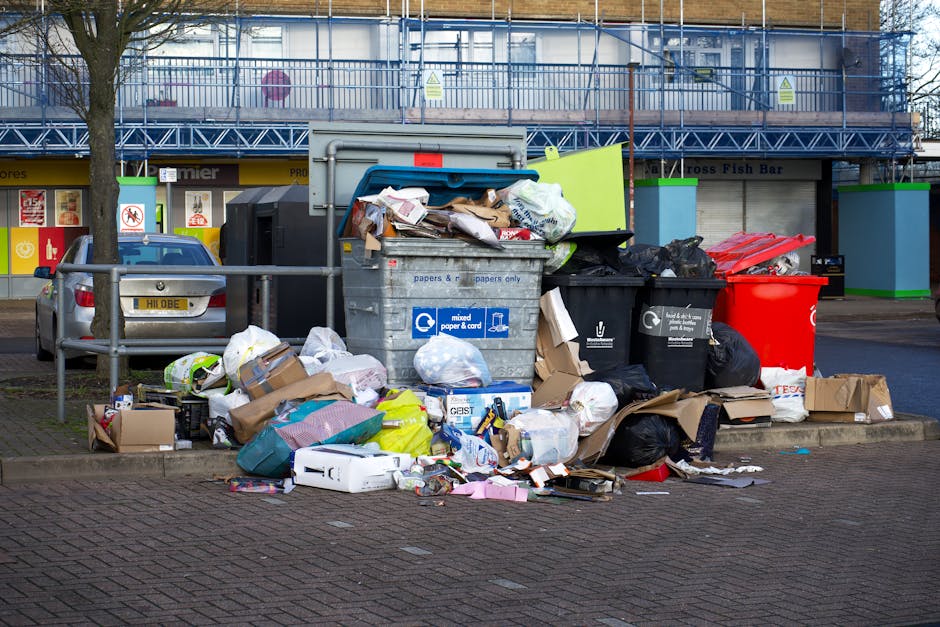
Most fines and complaints come from a short list of avoidable errors. If you can sidestep these, you are already ahead of the game.
- leaving bags beside a full bin instead of arranging an extra collection
- putting rubbish out too early, especially overnight
- mixing trade waste with household rubbish
- dumping bulky items without a booked removal
- assuming the cleaner or concierge will sort everything out
- using an unverified waste carrier
- ignoring repeated small issues because they seem harmless
- forgetting that shared gardens, forecourts, and entrances are still visible public-facing areas
Another subtle mistake is underestimating how quickly small waste problems become large ones. A single bag can lead to more bags being added by others. Then the area looks neglected, and the whole building feels the effect. That is the annoying part.
If you are a landlord, one of the best ways to reduce repeat issues is to give tenants a simple move-out waste process. If you want a broader local overview, this guide to Kensington and Chelsea council rubbish rules in Knightsbridge is a useful companion read.
Tools, Resources and Recommendations
You do not need a complicated toolkit to stay compliant. You need clarity, consistency, and the right support when waste gets out of hand.
Useful tools for day-to-day waste control
- Bin labels and instruction notices: ideal for shared buildings and managed blocks.
- Move-out checklists: particularly helpful for landlords and letting agents.
- Waste collection calendars: simple and effective for recurring routines.
- Photo records: useful before clearances, after clearances, and during disputes.
- Internal responsibility logs: handy for sites with cleaners, porters, or multiple occupants.
Recommended service pages for related needs
If your issue is broader than a household bin, the following pages may help you map the next step:
- waste disposal in Knightsbridge
- waste clearance in Knightsbridge
- house clearance support
- office clearance services
- furniture disposal in Knightsbridge
- white goods and appliance disposal
For peace of mind on compliance, the page on waste carrier licence and compliance is especially worth a look if you are hiring anyone to remove rubbish on your behalf.
And if you are comparing costs, try not to look only at the headline price. Hidden extras can sneak in through access issues, heavy lifting, parking constraints, or last-minute collection changes. The article on avoiding hidden rubbish removal charges in Knightsbridge is useful for that exact reason.
Law, Compliance, Standards, and Best Practice
This section needs a careful tone. Waste enforcement can involve legal and regulatory duties, but the exact outcome depends on the facts. In the UK, households and businesses are expected to dispose of waste responsibly, use authorised carriers when hiring help, and avoid leaving rubbish in places or at times that breach local rules. That is the broad principle. The detail can vary by waste type, property setup, and the nature of the offence.
For businesses, the standard of care is usually higher in practice because commercial waste should be managed as commercial waste, not disguised as domestic rubbish. For landlords and agents, best practice is to create a written waste process for residents and contractors. For households, the simplest rule is often the best one: use the right container, at the right time, in the right place.
A sensible compliance approach usually includes:
- knowing collection days and presentation times
- separating recyclable and general waste where applicable
- keeping all rubbish within approved storage areas until collection
- using a properly licensed carrier for private removals
- documenting clearances for properties with recurring issues
- training staff or residents on what is allowed and what is not
Best practice is not about being perfect. It is about being consistent enough that avoidable mistakes stop happening. That is usually enough to stay out of trouble.
Options, Methods, or Comparison Table
Different waste situations call for different methods. Here is a straightforward comparison to help you choose.
| Method | Best for | Pros | Watch out for |
|---|---|---|---|
| Standard council-style collection | Routine household waste | Simple, predictable, low effort | Less flexible for bulky or urgent items |
| Scheduled private rubbish collection | Mixed domestic or recurring waste | Flexible timing, useful for busy households | Needs clear pricing and access details |
| Bulky waste removal | Furniture, mattresses, large items | Proper handling of awkward objects | Must be booked correctly; do not leave items outside |
| Commercial waste removal | Shops, offices, restaurants | Better suited to business volumes and schedules | Waste streams should be separated properly |
| Full clearance service | Moves, probate, refurbishments | Fast, comprehensive, less physical strain | Check access, pricing, and what is included |
If you are unsure which route fits your situation, think about three questions: how much waste do you have, how quickly must it go, and is it household, commercial, or mixed? That usually narrows it down fast.
Case Study or Real-World Example
Picture a Knightsbridge apartment block on a Monday morning. Weekend guests have left, cleaners have come and gone, and a few extra bags have been placed by the bin store because the main bins were already full. By 11am, one bag has split. By lunchtime, someone has complained. By mid-afternoon, the building manager is fielding messages from residents who are understandably annoyed.
Nothing dramatic happened. That is the point. No one tried to create a mess. It just happened because waste was left in a weak system with no clear escalation. In a managed building, this is where a simple process makes all the difference: identify the overflow, arrange removal, keep waste inside the designated area, and record what happened.
Now compare that with a better-managed version. The concierge notices the bin store is near capacity, a same-day collection is arranged, the extra bags are kept secure, and the waste is removed before it spills into the communal space. Same building, same weekend traffic, completely different outcome. It is not glamorous, but it works.
For properties with regular turnover or event traffic, the same logic applies. If you are planning short-notice clearances around high-end venues or private functions, a little scheduling helps a lot. The local context around exclusive party venues in Knightsbridge is a good reminder that waste peaks can follow social peaks very closely.
Practical Checklist
Use this before you put any rubbish out or book a clearance.
- Have I identified the waste type correctly?
- Is this household, commercial, or mixed waste?
- Do I know the correct collection time and location?
- Is the waste inside the proper bin or storage area?
- Have I separated bulky items, recyclables, and general rubbish?
- Have I checked who is responsible for the disposal?
- Am I using a compliant carrier if I am hiring help?
- Could this waste block access, attract complaints, or create a visible mess?
- Do I need a same-day or scheduled collection?
- Have I kept a photo or note in case there is a dispute?
If you can tick most of those off, you are in a much safer place already.
Conclusion
Westminster council fines for improper rubbish in Knightsbridge are less about drama and more about everyday discipline. The biggest problems usually come from small habits: putting bags out too early, using the wrong disposal method, or assuming someone else will handle it. In a place like Knightsbridge, those small mistakes are visible quickly and can snowball into avoidable costs.
The good news? The fix is usually straightforward. Know your waste type, keep it contained, use the right collection route, and make responsibility clear. Whether you are a resident, landlord, building manager, or business owner, a little structure now can save a lot of hassle later. And honestly, that is a pretty fair trade.
Get a free quote today and see how much you can save.
When waste is handled well, a building feels calmer. Less noise, less mess, less drama. Not a bad outcome for something most people only think about when it goes wrong.


 Tipper Van - Rubbish Clearance and Rubbish Removal Prices in Knightsbridge, SW1
 Luton Van - Rubbish Clearance and Rubbish Removal Prices in Knightsbridge, SW1